2 Days in Antwerp: Iconic Sights, Hidden Alleys & Foodie Finds
If you only have 48 hours in Antwerp, you’ll be surprised at how much this stylish Belgian city manages to pack into a short visit. Known as a design hub and home to Flemish master Peter Paul Rubens, Antwerp combines centuries-old history with cutting-edge fashion, a thriving food scene, and a lively riverside atmosphere. This 2-day Antwerp itinerary highlights my favorites and is designed to balance iconic landmarks with local flavor. Whether it’s your first visit to Belgium or a return trip beyond Brussels and Bruges, Antwerp promises a city experience that is stylish, creative, and full of surprises.
Day 1: Exploring Antwerp’s Historic Heart
Morning: Grote Markt & the Cathedral Quarter
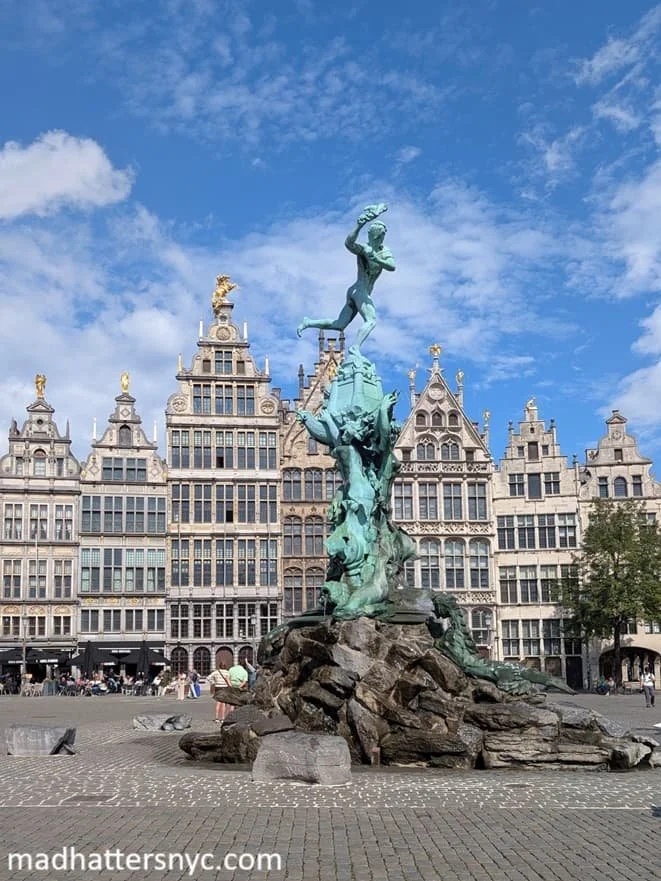
Brabo Fountain at Grote Markt
There’s no better place to begin your first morning in Antwerp than at the city’s beating heart: Grote Markt. Surrounded by the ornate guild houses that once belonged to wealthy merchants, the square feels like a living postcard. In the center, the Brabo Fountain tells the legend of a Roman soldier who defeated a giant by tossing his severed hand into the Scheldt River.
Facing the square is Antwerp’s City Hall, a UNESCO World Heritage Site, draped with colorful flags. On a sunny day, the terraces of nearby cafés fill quickly with locals sipping coffee and cyclists rolling by. If you arrive early, you can enjoy the stillness before the day fully awakens.
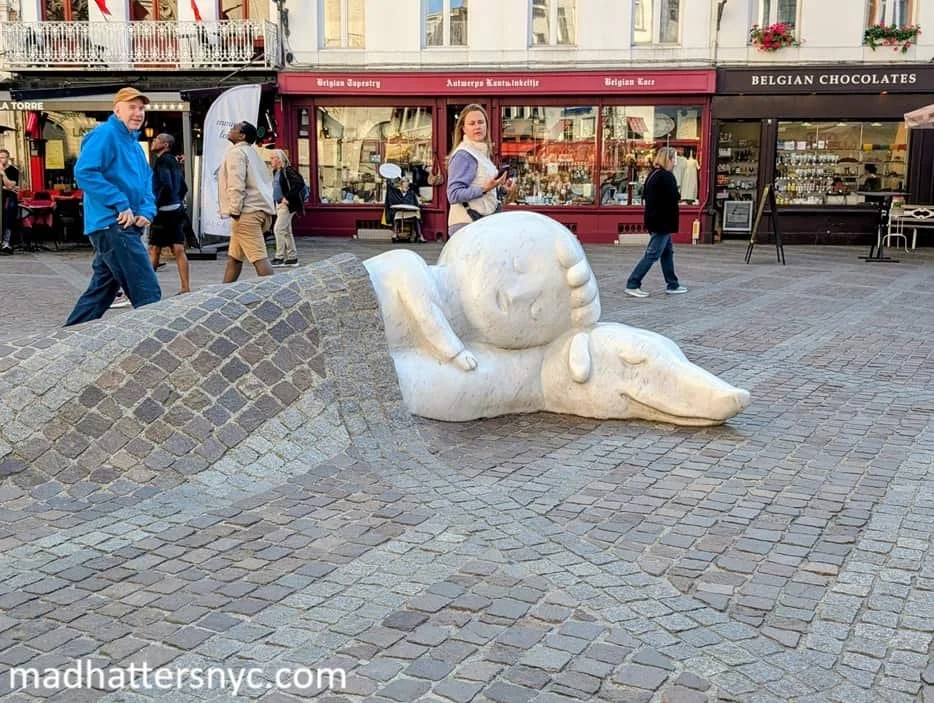
Nello and Pastrache statue
Just steps away stands the Cathedral of Our Lady, one of the most impressive Gothic churches in Europe. Before you head in, you might notice the enchanting statue of a boy and his loyal dog snuggled under a cobblestone blanket in the courtyard. This is Nello and Patrasche, characters from the 19th-century novel A Dog of Flanders. Although the story is little known in Belgium, it became enormously popular in Japan, Korea, and the Philippines, where it’s considered a classic tale of friendship and perseverance. Many visitors from Asia come to Antwerp specifically to see this statue and pay tribute to the characters, who embody devotion against all odds. It’s a touching reminder that stories can connect cultures in surprising ways.
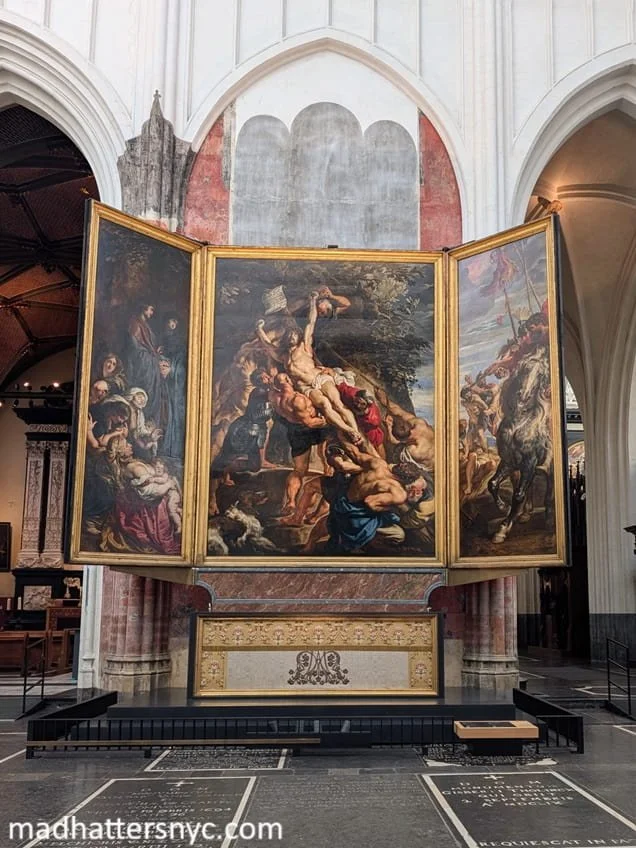
Elevation of the Cross by Peter Paul Rubens
Inside the cathedral, sunlight filters through stained glass onto masterpieces by Peter Paul Rubens, including The Elevation of the Cross and The Descent from the Cross. Standing before these monumental works, you begin to understand why Antwerp is a must-visit destination for art lovers. Both paintings were taken to Paris in 1794 during the French Revolution. When they were returned to Antwerp at the end of the Napoleonic Wars in 1815, their original home had been destroyed so they were placed in the Cathedral of Our Lady instead. The paintings were stolen again in 1914 by the Imperial German Army and taken to the Berlin Palace, where they remained until after the Armistice of November 11, 1918 when they were returned to the Cathedral.
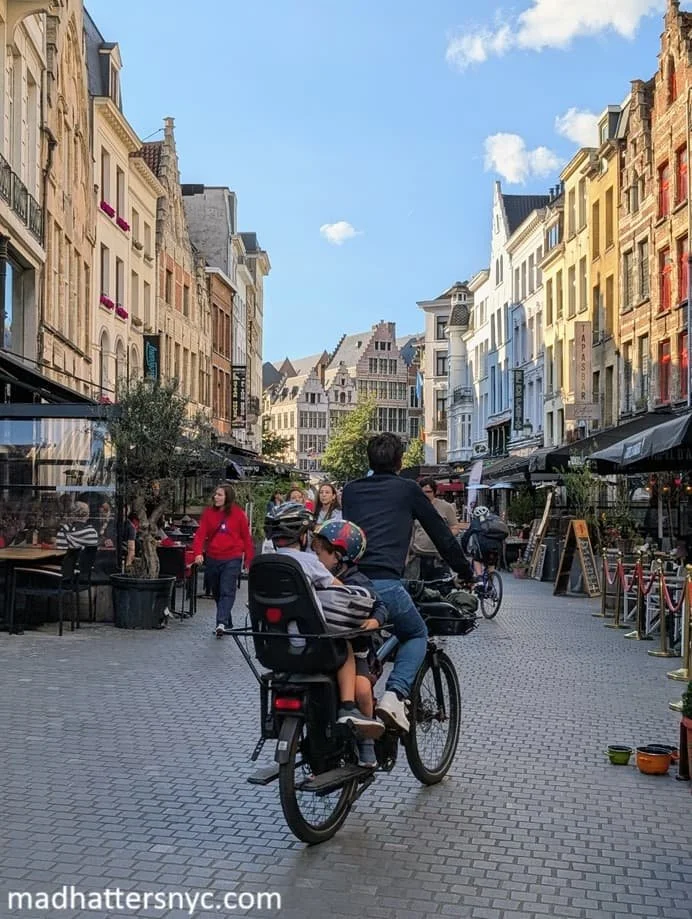
Antwerp’s charming Old Town
Once you exit the cathedral, take some time to wander the Old Town and enjoy the Flemish Renaissance architecture, now home to enticing chocolatiers and eateries. Don’t miss a visit to Philip's Biscuits, where you’ll find a wide range of artisanal speculoos cookies. The spiced cookies originated in Belgium, but Philip's Biscuits offers the Abbey Speculaas, a thicker version of the cookie dotted with fruit and nuts with a perfectly crumbly middle.
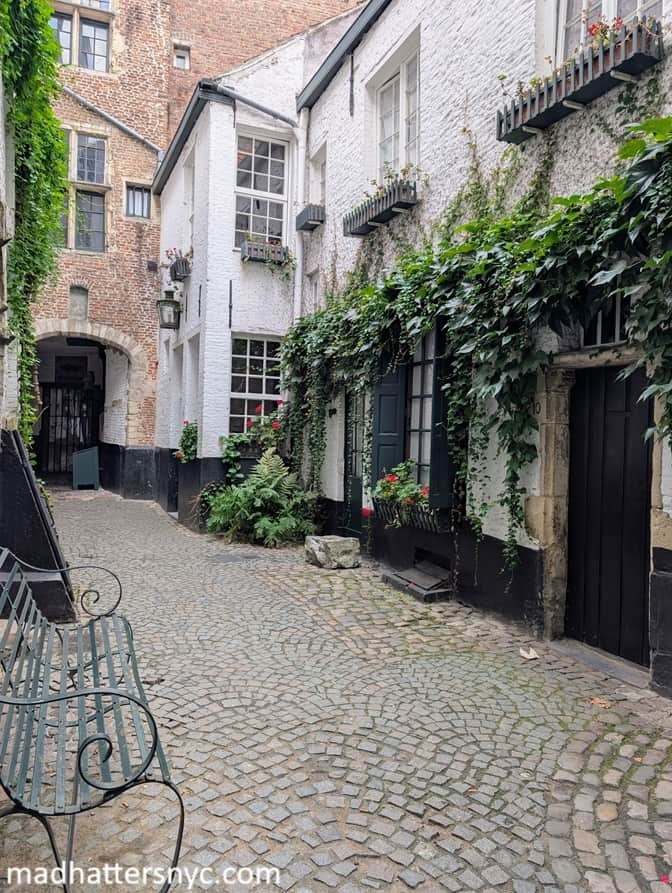
Vlaaikensgang
While you’re wandering the area, take a short detour to discover one of Antwerp’s hidden gems: Vlaeykensgang. Tucked away off Hoogstraat, this narrow 16th-century alleyway feels worlds apart from the busy city center. Its cobblestone path, lanterns, and ivy-covered walls transport you back to medieval Antwerp, when shoemakers and tradesmen once lived here. Today, it’s a quiet oasis where you can pause and admire the timeless atmosphere. It’s one of those spots you might miss if you didn’t know to look for it, and exactly the kind of discovery that makes exploring Antwerp so rewarding.
Lunch: Traditional Belgian Flavors in the Historic Center
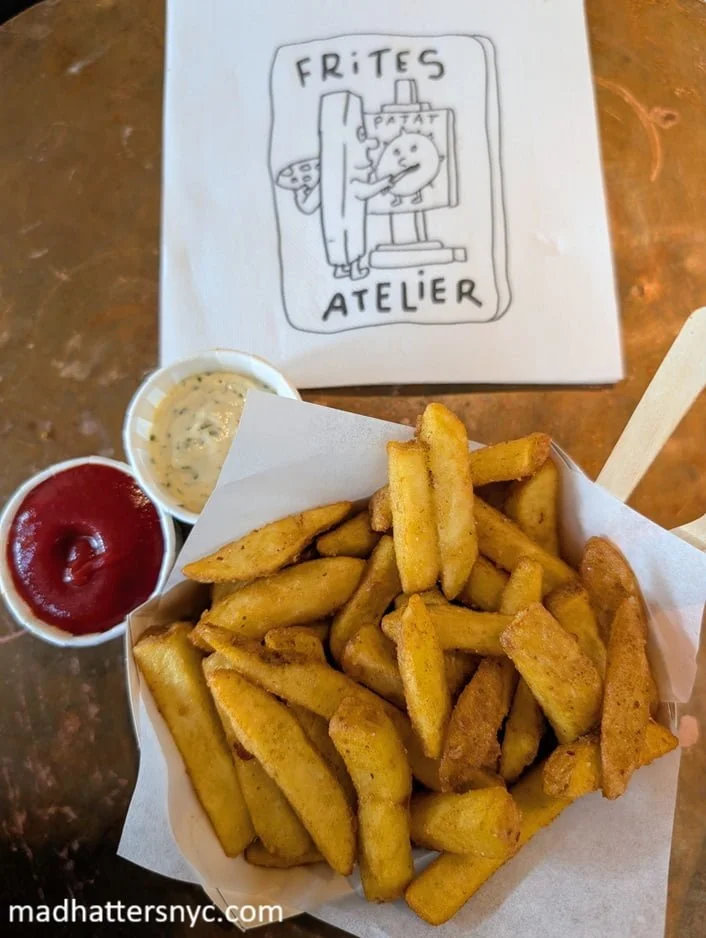
Frites from Frites Atelier
By midday, you’ll be ready to refuel, and Antwerp’s historic center is the perfect place to dive into traditional Belgian flavors. For something quick but iconic, grab a heap of golden fries at Frites Atelier, the upscale chip shop created by Michelin-starred chef Sergio Herman. Here, the humble Belgian frite gets elevated with imaginative sauces like truffle mayo or béarnaise. The fries are crisp on the outside, fluffy inside, exactly as they should be. If you’d rather linger over lunch and take in some people watching, try moules-frites (mussels with fries) at Fish A’Go Go. It’s a no-frills operation where the focus is on fresh seafood.
Afternoon: St. Charles Borromeo Church & the Heritage Library Hendrik Conscience
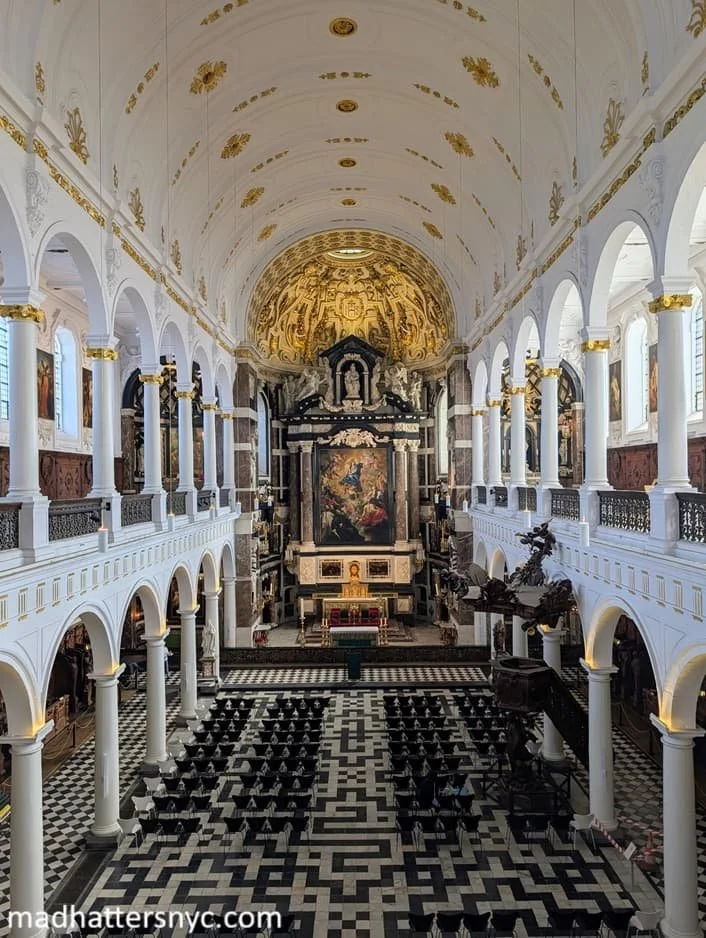
St. Charles Borromeo Church
From the Cathedral Quarter, it’s only a short walk to one of Antwerp’s most atmospheric churches: St. Charles Borromeo Church. Built in the early 17th century, this Baroque masterpiece was heavily influenced by Peter Paul Rubens, who designed much of its original interior decoration. Although a fire in 1718 destroyed many of Rubens’ paintings, the church still radiates grandeur with its ornate chapels, gilded altarpieces, and dramatic play of light and shadow. Step inside and let the silence wrap around you. It’s a place that feels both intimate and majestic, and far less crowded than the Cathedral.
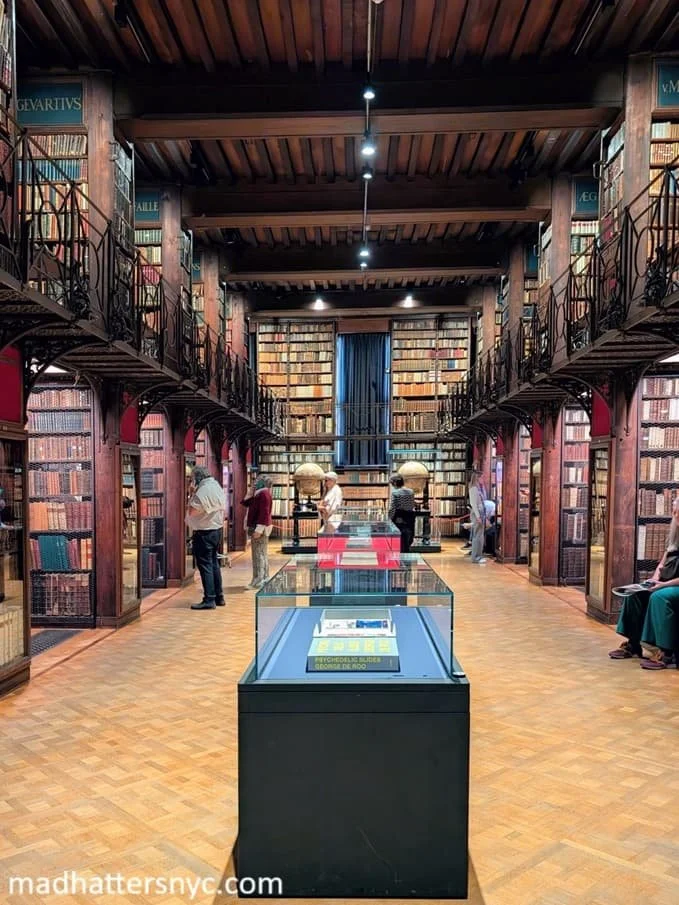
Nottebohm Room at Heritage Library Hendrik Conscience
Just around the corner, another hidden treasure awaits at the Heritage Library Hendrik Conscience. In her book Crush, Ada Calhoun said, “Given that travel and books were two of my favorite things, being in a library in a foreign country was joy squared.” And this is absolutely true for me too. Whether I'm in a historic treasure like Dublin’s Old Library at Trinity College or in Porto’s infamous Livraria Lello, being surrounded by books feels like finding a sanctuary no matter where you are in the world.
Even if you’re not a book lover, this historic library is worth visiting for its architecture. The jewel of the building is the Nottebohm Room, a wood-paneled reading hall lined with towering bookcases, antique globes, and wrought-iron balconies. Walking into this space feels like entering a secret chamber of knowledge where centuries of learning are preserved. But make sure to plan your visit carefully: The Nottebohm Room is only open to individual visitors from July 1 to September 15 from 1:00 pm to 5:00 pm. From October to May, limited guided tours are available. But even the exterior square, with its statue of Hendrik Conscience, makes for a charming detour.
Together, these two sites offer a quieter, more reflective side of Antwerp—a balance of spiritual beauty and intellectual heritage that complements the city’s artistic reputation.
Late Afternoon: Rubenshuis, Fashion District or Handelsbeurs
The late afternoon can go in a few directions, depending on whether you’re more drawn to art and history or fashion and design.
Option 1: Step into the World of Rubens at Rubenshuis
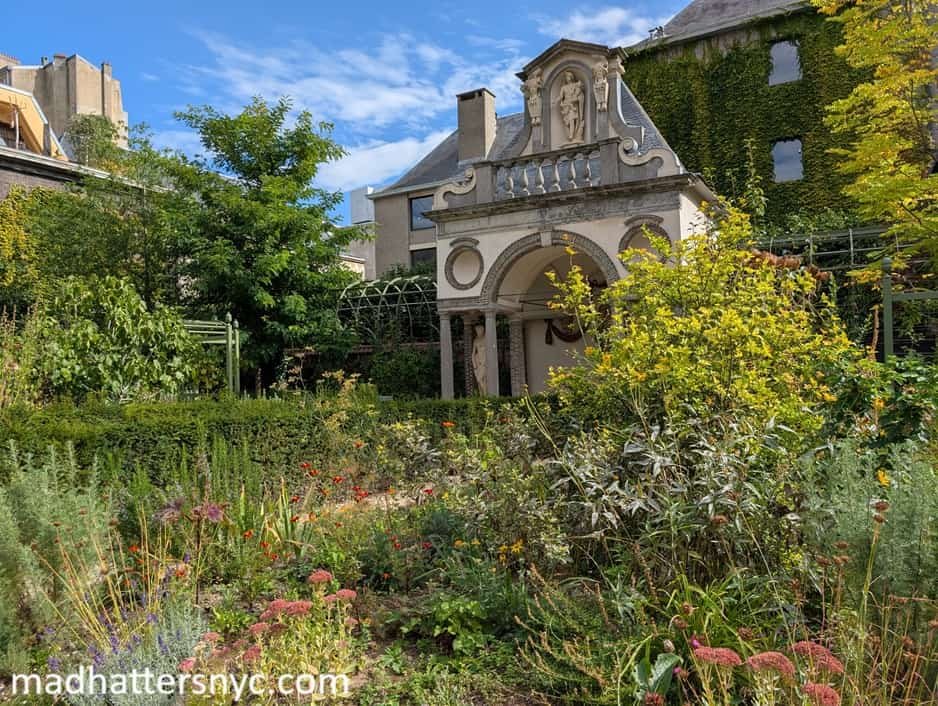
Rubens’ Garden at Rubenshuis
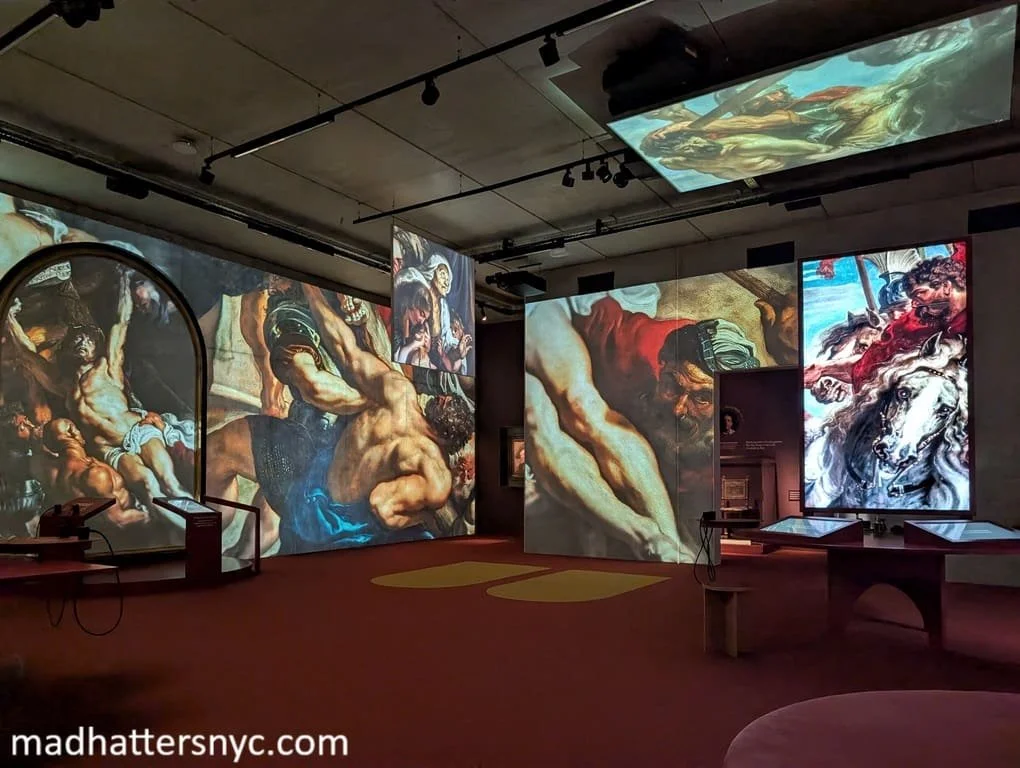
Rubens Experience at Rubenshuis
If the masterpieces inside the Cathedral of Our Lady sparked your curiosity, continue the journey at the Rubenshuis, the former home and studio of Peter Paul Rubens. The artist’s residence is currently under construction, but if the weather is nice, the Italian-style garden alone is worth a visit. It’s a magical oasis, and the accompanying podcast immerses you fully in its history. There is also the Rubens Experience below ground, where interactive displays and a short movie delve into the painter’s personal past and highlight details in his famous masterpieces.
This stop is perfect if you want to dive deeper into Antwerp’s artistic legacy and see how one man’s influence still shapes the city today.
Option 2: Explore Antwerp’s Fashion District
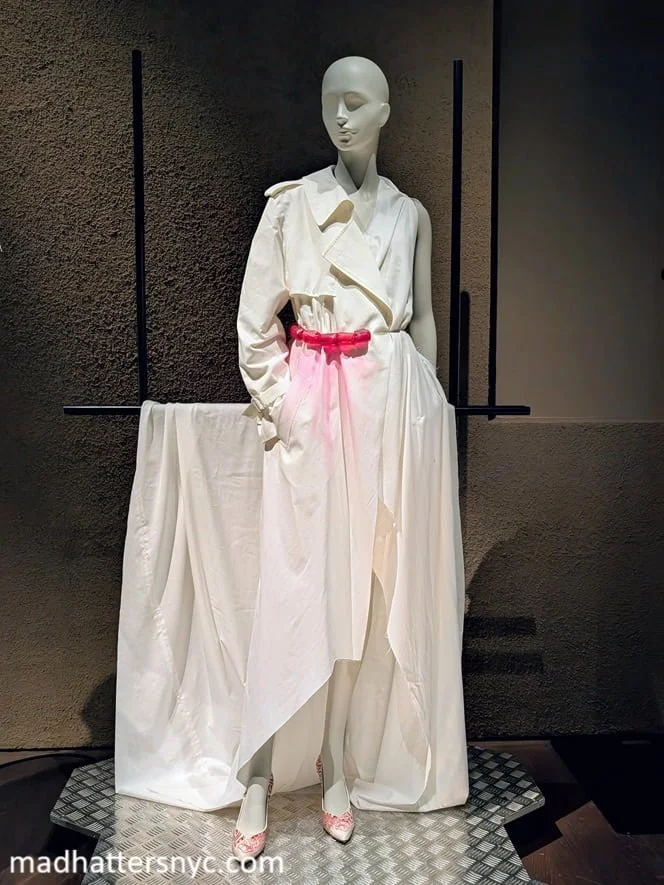
Maison Martin Margiela design at MoMu
If you’re more intrigued by Antwerp’s reputation as a style capital, head instead to the Fashion District, just off Meir. Antwerp gained global fashion fame in the 1980s with the “Antwerp Six,” a group of avant-garde designers who redefined Belgian style. Today, their influence lives on in boutiques, studios, and the ModeMuseum (MoMu), Antwerp’s fashion museum.
MoMu’s rotating exhibitions explore everything from historical textiles to cutting-edge design, making it a fascinating stop even for those who don’t consider themselves fashion insiders. Afterward, wander the stylish streets lined with high-end shops, concept stores, and trendy cafés, the perfect place to pick up a unique souvenir.
This option is ideal if you want to see Antwerp’s contemporary, creative side and experience the city’s pulse as a hub of innovation.
Option 3: Discover Handelsbeurs Antwerpen
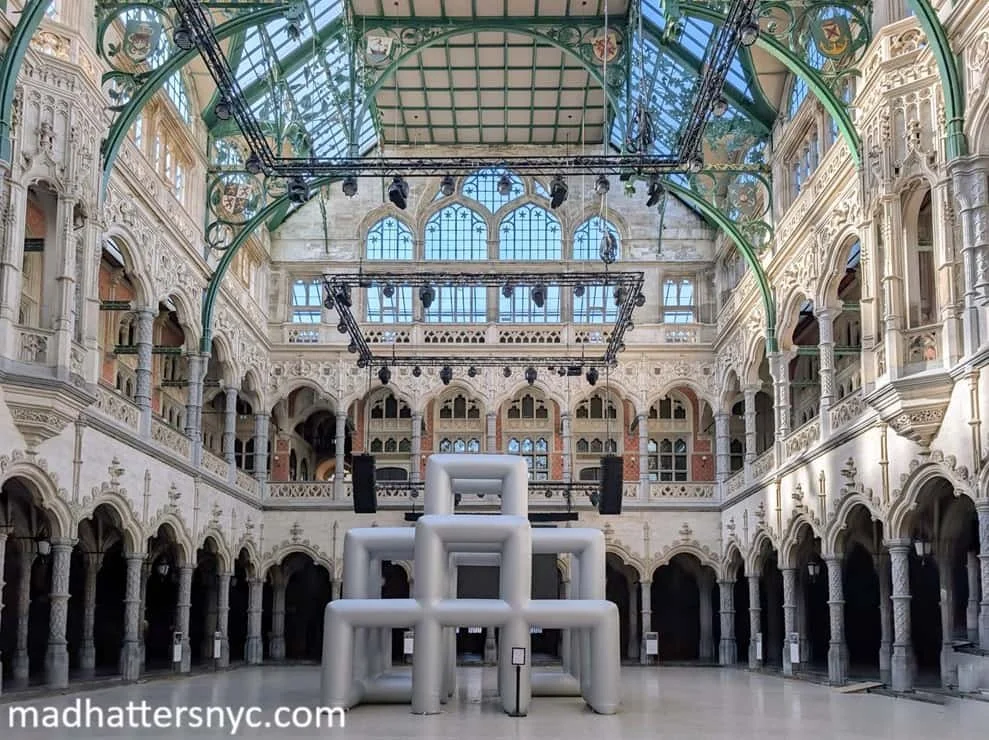
Handelsbeurs Antwerpen
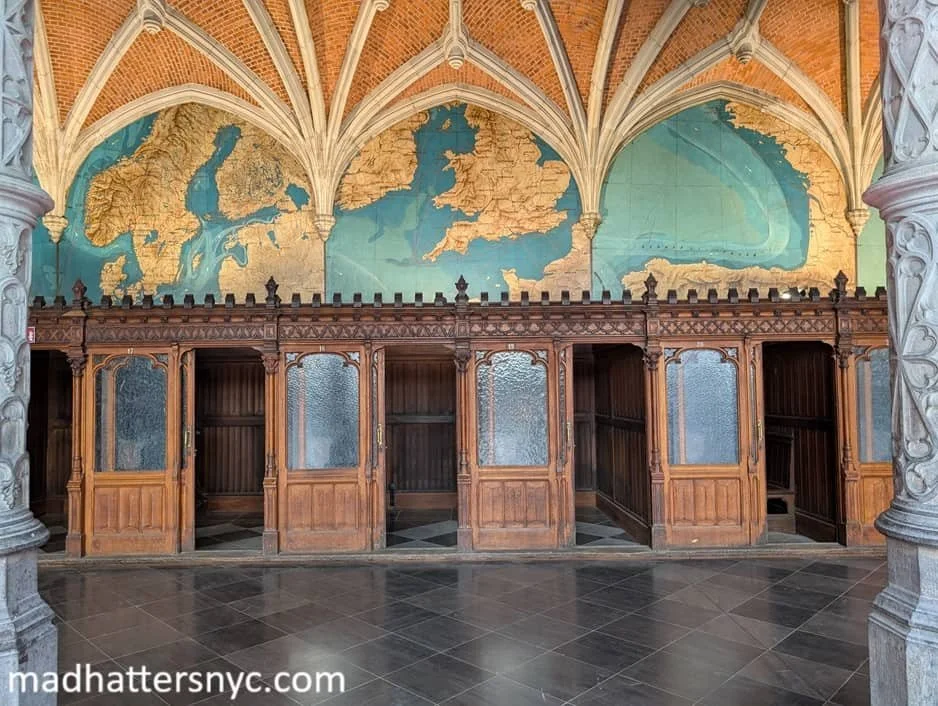
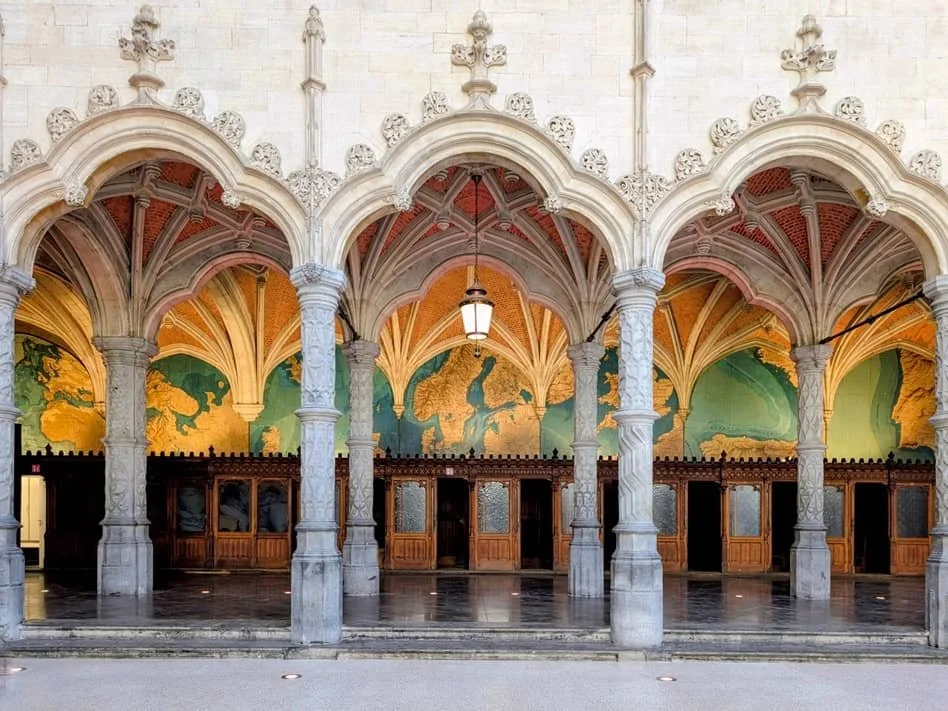
Handelsbeurs Antwerpen negotiation rooms and maps
If you’re in Antwerp over the weekend, then don’t miss the opportunity to stop by Handelsbeurs Antwerpen. Tucked between Meir and the historic center, it’s a hidden gem with global significance. First built in 1531, it’s considered the world’s very first purpose-built stock exchange, where merchants once gathered under its soaring Gothic arches to trade goods and fortunes. Recently restored, the building’s intricate stonework, vaulted ceilings, and arcaded galleries make it feel like a cathedral of commerce.
Walking through the Handelsbeurs offers a glimpse into Antwerp’s golden age as one of Europe’s great trading hubs. It’s easy to imagine intense bartering taking place in the negotiation rooms, but what truly captured my fascination were the vivid world maps that cover the walls. Painted in situ between 1879 and 1884 by Captain at Sea Ghesquiere, the maps depicted trade routes and were actively used in negotiations. Today, the majestic space is used for events and exhibitions.
This option is ideal if you want to enjoy the beautiful architecture while delving into Antwerp’s finance and trade history.
Dinner: A Taste of Antwerp in the Evening
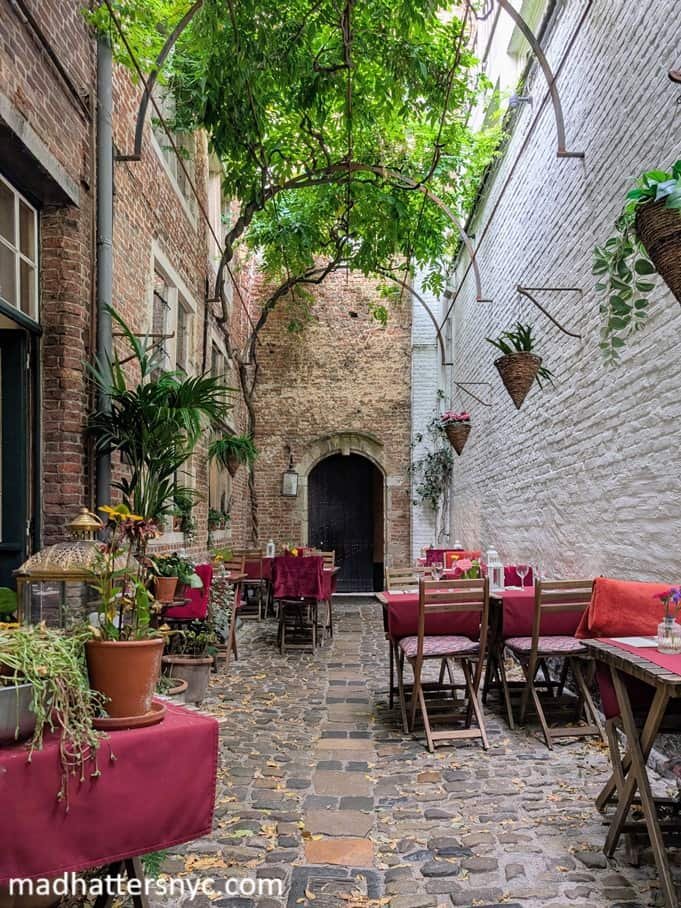
Sir Anthony Van Dijck restaurant
As the afternoon fades into evening, Antwerp’s historic center takes on a new energy. This is the perfect time to settle into one of the city’s many excellent restaurants, where Belgian tradition and modern creativity meet at the table. For a refined experience, try Graanmarkt 13, a stylish restaurant set inside a beautifully restored townhouse. The menu changes frequently around seasonal produce and thoughtful pairings, with a focus on fresh, regional ingredients. For those who enjoy dining with a sense of discovery, consider returning to Vlaaikensgang, where the fine-dining restaurant Sir Anthony Van Dijck offers an atmospheric setting inside one of the city’s most picturesque alleyways. Candlelit stone walls, vaulted ceilings, and a menu rooted in Flemish tradition make it one of Antwerp’s most memorable dining experiences.
Pro Tip: Both restaurants are extremely popular, so make reservations in advance.
Day 2: Discovering Cool and Trendy Antwerp
Morning: Zurenborg & Cogels-Osylei
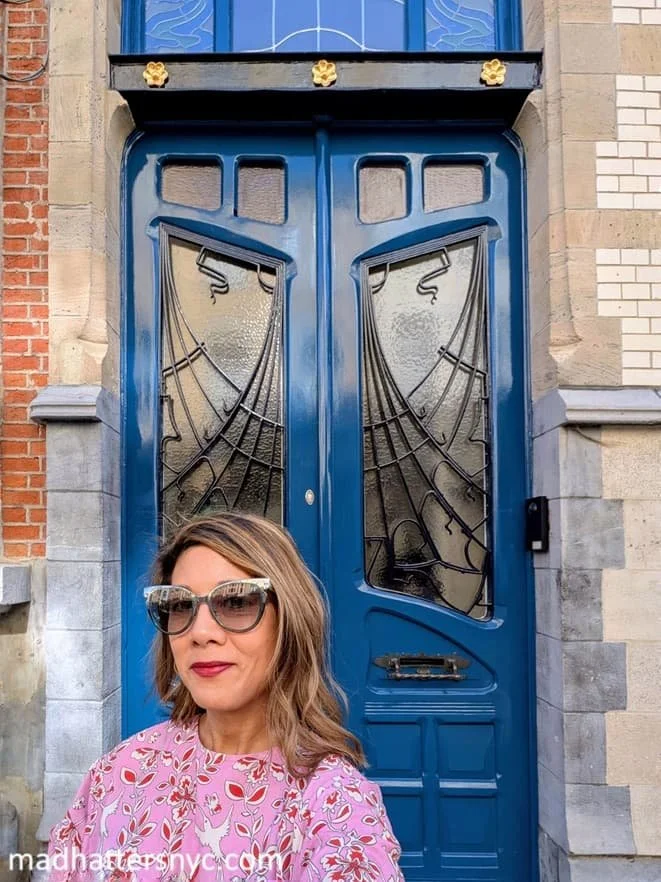
Art Nouveau door in Zurenborg
Begin your second day in Antwerp with a leisurely walk through Zurenborg, one of the city’s most striking residential neighborhoods. From Groenplaats in the historic center, hop on the tram towards Berchem Station, only a short 12- to 15-minute ride away. Unlike the medieval streets of the historic center, Zurenborg is a showcase of late 19th- and early 20th-century architecture, where eclectic mansions stand shoulder to shoulder in a dazzling display of styles.
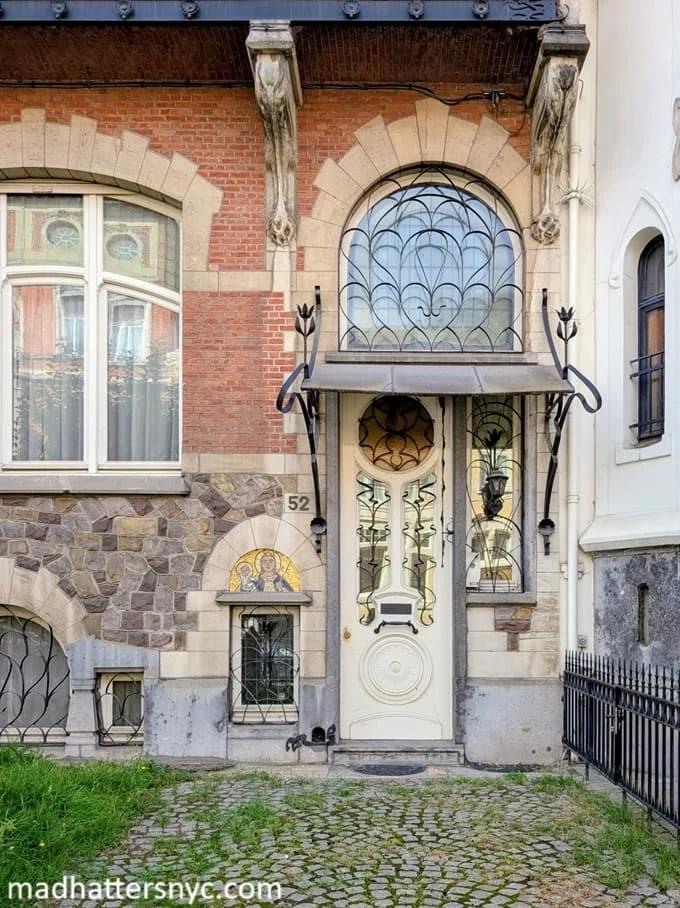
Stunning architectural details from Cogels-Osylei
The highlight is Cogels-Osylei, often called Antwerp’s most beautiful street. Here, you’ll find rows of opulent townhouses that blend Art Nouveau, Neo-Renaissance, and Baroque revival details into whimsical façades. Look for carved stonework, wrought-iron balconies, and even playful mosaics; each house seems to be competing with the next for originality.
Strolling along Cogels-Osylei feels like wandering through an open-air museum of architecture. It’s a favorite spot for photographers and design enthusiasts, but it’s just as enjoyable for casual visitors who want to experience a side of Antwerp most tourists miss. The neighborhood has a relaxed, residential vibe, so grab a coffee at one of the local cafés like Rush Rush Coffee before continuing your day.
Lunch: PAKT’s Urban Food Haven
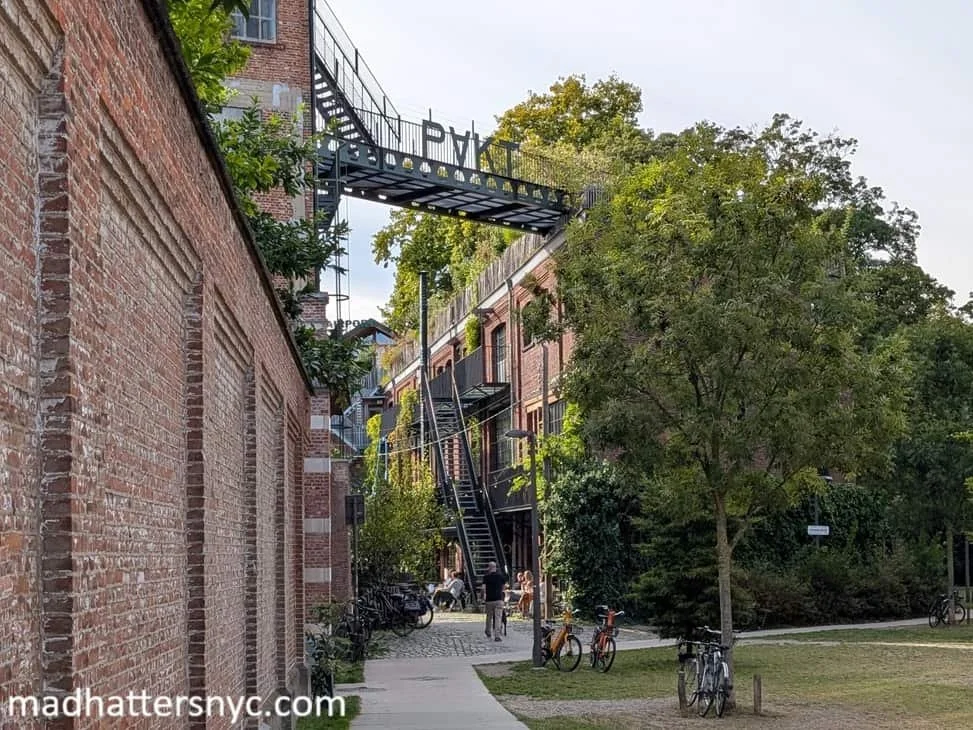
PAKT Urban Creative Space
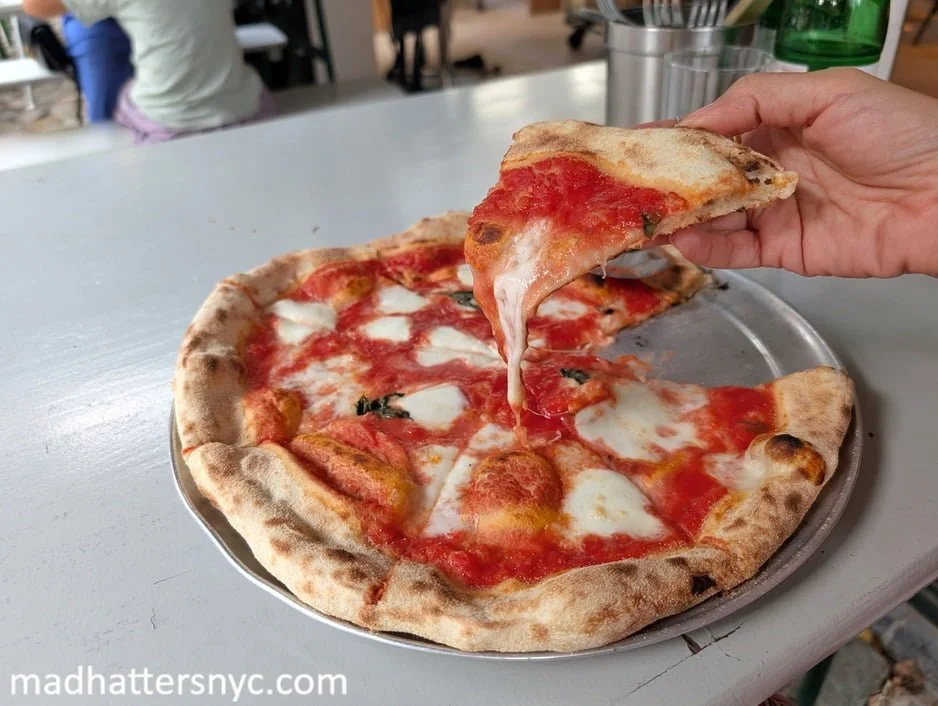
Margherita at Standard Pizza
From Zurenborg, it’s a short hop to PAKT, one of Antwerp’s coolest food and community hubs. Set in a cluster of repurposed warehouses, PAKT has transformed into a creative complex filled with restaurants, rooftop gardens, and communal spaces. It’s where Antwerp’s chefs, foodies, and urban gardeners converge.
For lunch, you’ll have plenty of options. Standard Pizza offers wood-fired sourdough pizza with seasonal toppings, while Camionette is one of Antwerp’s cutting edge plant-based eateries offering fine dining in a relaxed and thoughtful way. What makes PAKT special is the atmosphere; it feels like you’ve stumbled into a secret part of the city where sustainability and creativity go hand in hand. It’s a very different experience from the tourist-heavy center and a great way to fuel up for your afternoon.
Afternoon: Flemish Masters in Het Zuid
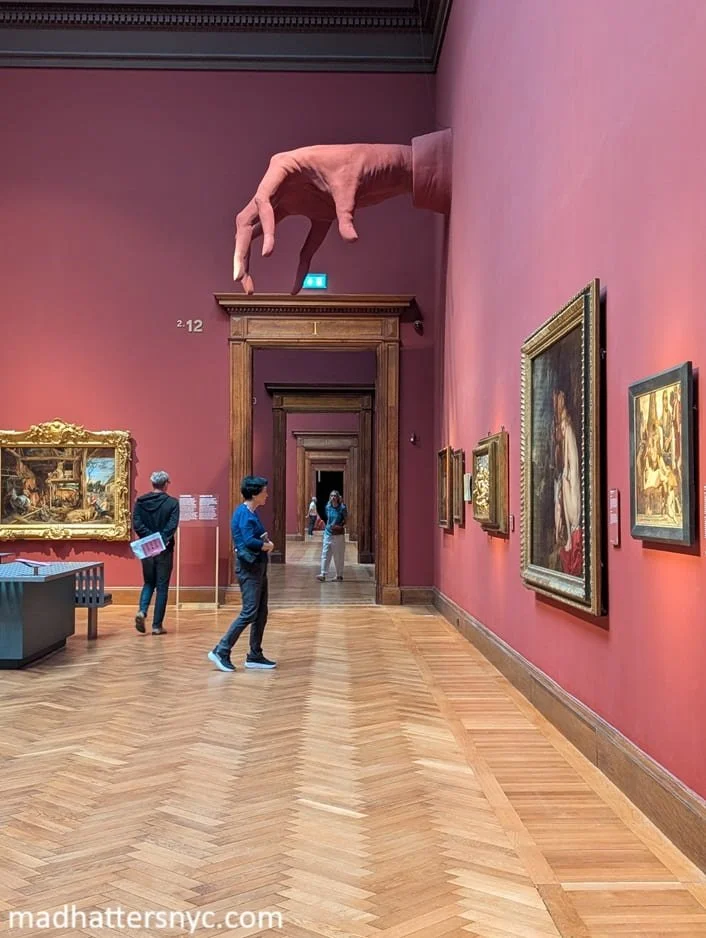
KMSKA
After lunch at PAKT, head into Het Zuid, Antwerp’s artsy southern district. Once an industrial area, it’s now filled with wide boulevards, galleries, and museums that showcase the city’s creative side. Hop back on the tram and stop right at the Museum stop, which puts you right in front of KMSKA, or the Royal Museum of Fine Arts Antwerp.
The Royal Museum of Fine Arts Antwerp (KMSKA) is reason enough to spend your afternoon in Het Zuid. After more than a decade of renovations, the museum reopened in 2022, unveiling not only restored historic galleries but also a bold new wing designed to spotlight modern art. The result is a striking balance between Antwerp’s artistic past and its forward-looking present.
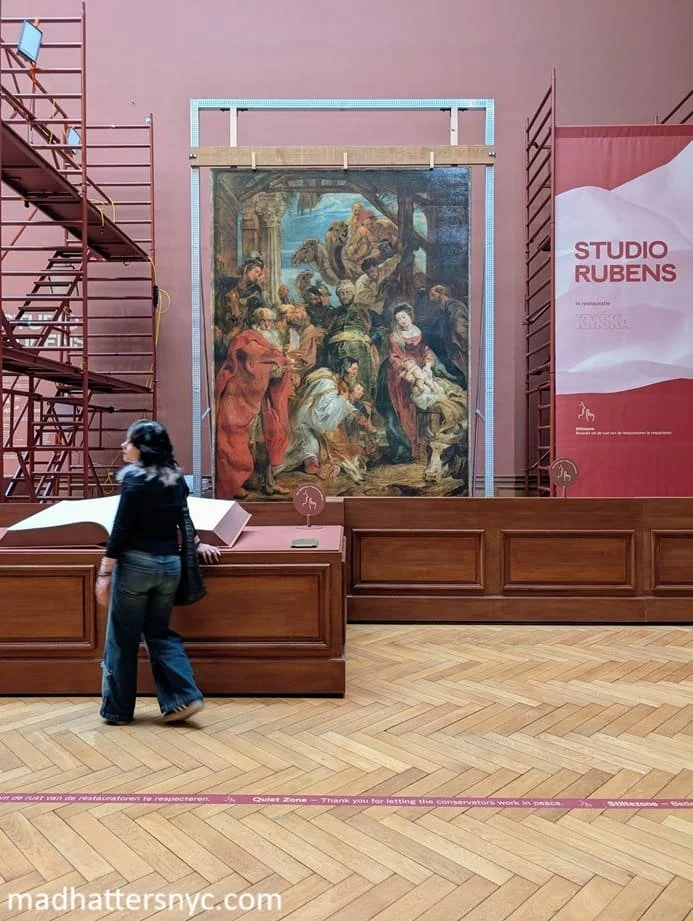
Ongoing restoration of The Adoration of the Magi
KMSKA’s collection spans seven centuries, and unsurprisingly, Peter Paul Rubens has a dedicated gallery that fully showcases his mastery of color, movement, and drama. I loved the varied selection, from grand paintings to personal commissions. The Adoration of the Magi, two monumental altarpieces bursting with life and detail, are being restored within the museum itself through 2027, offering a unique experience with the masterpiece. But here, you can also delve into Rubens’ contemporaries and students, like Anthony Van Dyck and Jacob Jordaens.
For a more modern taste of Belgian art, James Ensor offers a unique point of view. His Christ’s Entry into Brussels in 1889 is one of the museum’s most iconic paintings, with its chaotic carnival crowd and biting social commentary. Whether you spend an hour or an entire afternoon here, KMSKA offers a journey through the city’s rich cultural soul.
Pro Tip: Not sure where to start? Download the KMSKA app, where a 90-minute Highlights Tour will take you on a guided visit through both the old and new museum, featuring 25 of its top pieces.
Evening: Riverside Stroll & Dinner
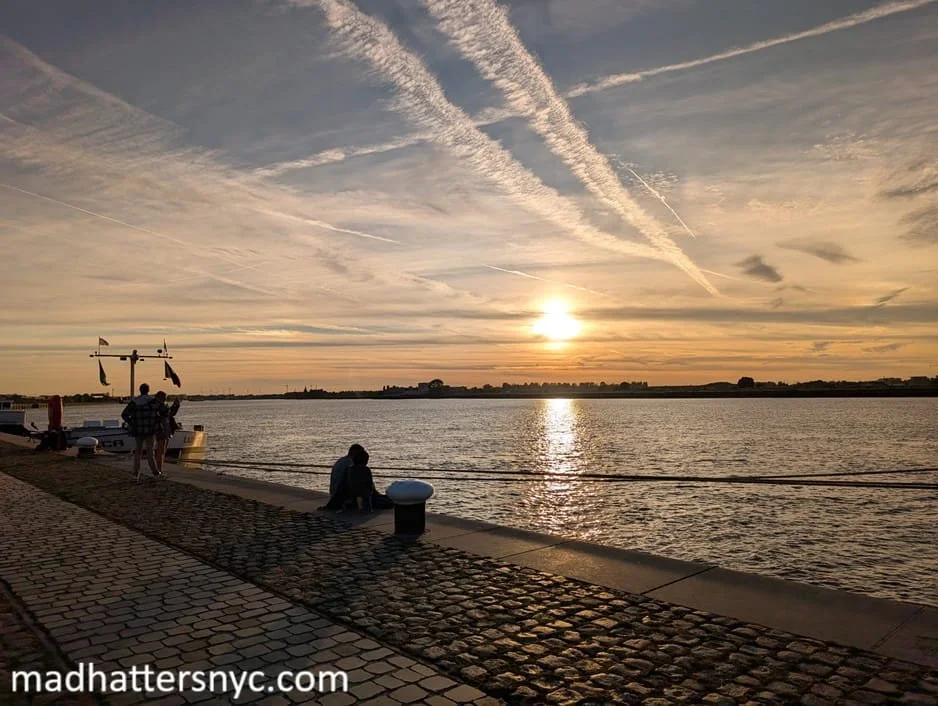
Sunset on Scheldt River Promenade
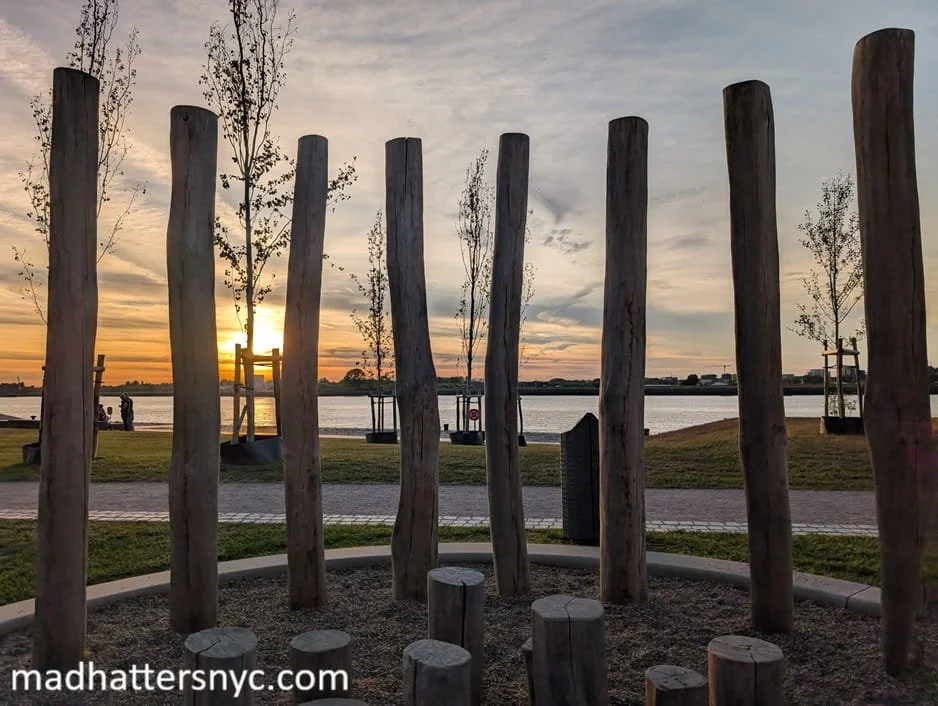
Scheldt River park
As the afternoon winds down, make your way to the Scheldt River promenade, just a short walk from Het Zuid. Locals gather here for an evening stroll or to watch the sunset over the water, a peaceful daily ritual that ties the city to its port heritage.
For your dinner, stay in Het Zuid. The neighborhood is full of stylish dining options that reflect Antwerp’s reputation as a culinary capital. Fiskebar is a relaxed but high-quality seafood spot, perfect if you want oysters, fresh fish, or a plate of Belgian shrimp croquettes, while Vitrin is a trendy wine bar and bistro, known for small plates and a buzzing local crowd. Whatever you choose, dining in Het Zuid is the perfect finale—combining Antwerp’s creativity, cosmopolitan edge, and warm hospitality.
Practical Tips for Visiting Antwerp
When to Visit
Antwerp is a year-round destination, but the best times to visit are spring (April–June) and early autumn (September–October). The weather is mild, outdoor terraces are buzzing, and cultural events fill the calendar. Summer brings more tourists and higher hotel rates, while winter has a festive charm with Christmas markets and cozy cafés.
Getting Around
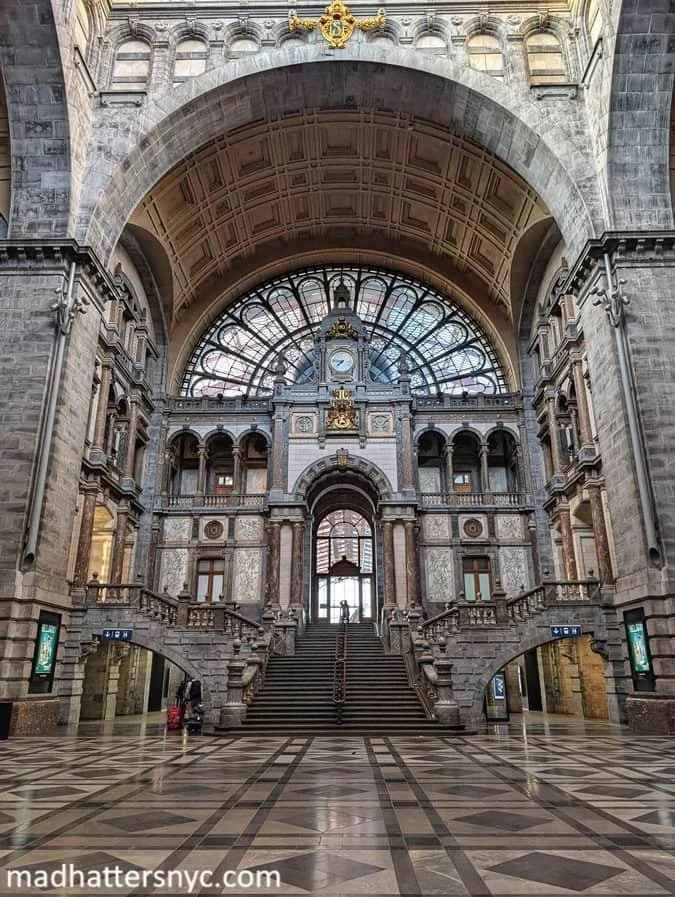
Stunning baroque details at Antwerpen Centraal
Antwerp is compact, and most of the highlights in this itinerary are within walking or biking distance. Trams make it easy to hop between neighborhoods like Zurenborg, Het Zuid, and more. If you’re arriving by train, you’ll step into the stunning Antwerpen Centraal station, often ranked among the most beautiful railway stations in the world.
Language & Currency
The local language is Dutch, but I found English widely spoken, especially in restaurants, museums, and hotels. The currency is the euro (€), and credit cards are accepted nearly everywhere, though it’s handy to carry a little cash for small cafés or market stalls.
Passes & Discounts
If you plan on visiting multiple museums, consider the Antwerp City Pass, which offers free entry to many attractions (including all the ones mentioned here and more!) plus unlimited use of public transport. It’s available for 24, 48, or 72 hours and can save both money and time. It’s also entirely on your phone, so you don’t have to worry about keeping track of a physical card.
Conclusion
Two days in Antwerp is just enough to get a feel for this city’s unique rhythm, but this itinerary can be stretched out for a more leisurely pace or used as a building block for a longer visit. Whether you come for the art, the architecture, the food, or simply the atmosphere, Antwerp delivers an experience that’s intimate yet cosmopolitan, and historic yet innovative.